
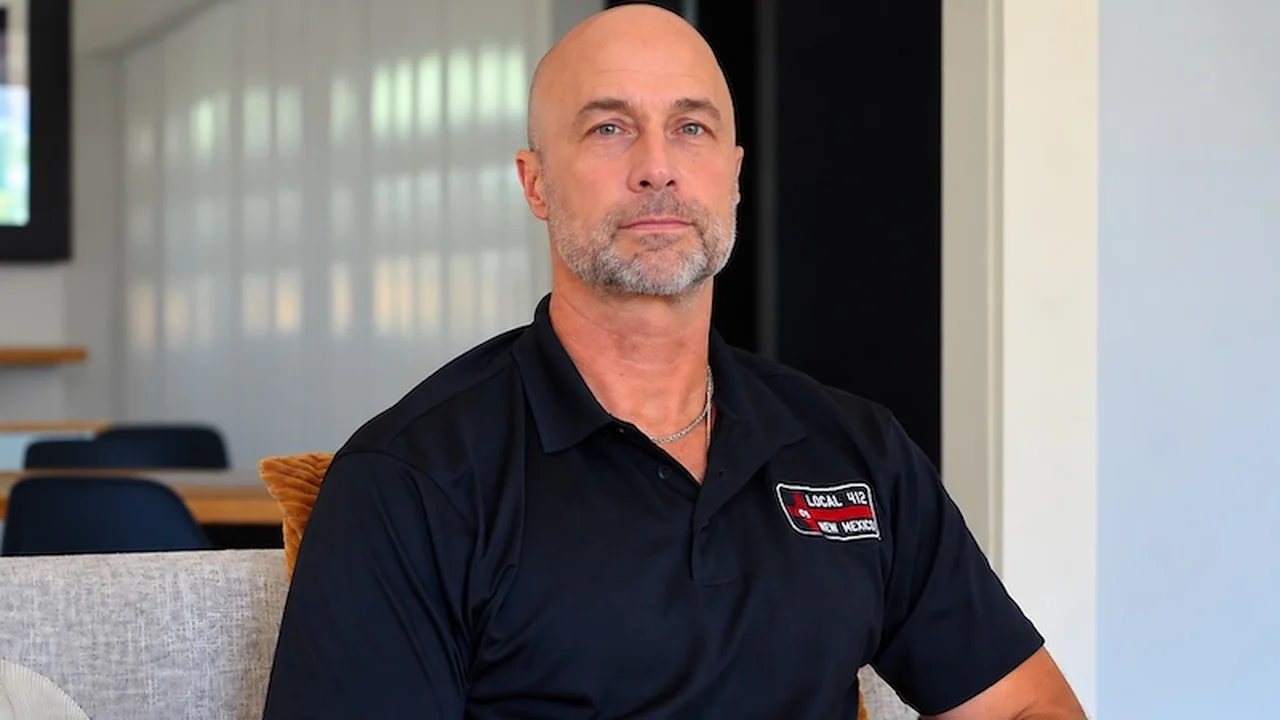
In this interview for the Police Chaplain Project, Bill McCamley—former New Mexico Secretary of Labor and author of Right My Dudes... Now What?—breaks down the critical behavioral patterns that precede male crisis, suicide, and fatal relapse.

For police chaplains, peer-support officers, and department leadership, understanding these specific dynamics is essential for intervening before a tragedy occurs.
1. The Twin Drivers: Isolation and Feeling Like a Burden
McCamley points out that when men—especially young men in male-dominated professions—lose connection with their peers, they enter a high-risk zone. That isolation is often compounded by a toxic perception: “Am I a burden to the people around me?”
When an officer feels alienated, loses money chasing gambling losses due to a lack of trust in the system, or carries unresolved guilt over a family death, that sense of being a burden can turn acute.
2. The Danger of Contagion (Postvention)
When a department or tight-knit group experiences a death by suicide or overdose, suicide contagion is a real scientific phenomenon. “Dudes tend to emulate other dudes,” McCamley notes.
Without an immediate, structured response—known as postvention—to bring in counselors and create open communication, the risk of a secondary loss spikes significantly. Having a clear plan in place after a tragedy is critical to letting officers know they aren’t alone.
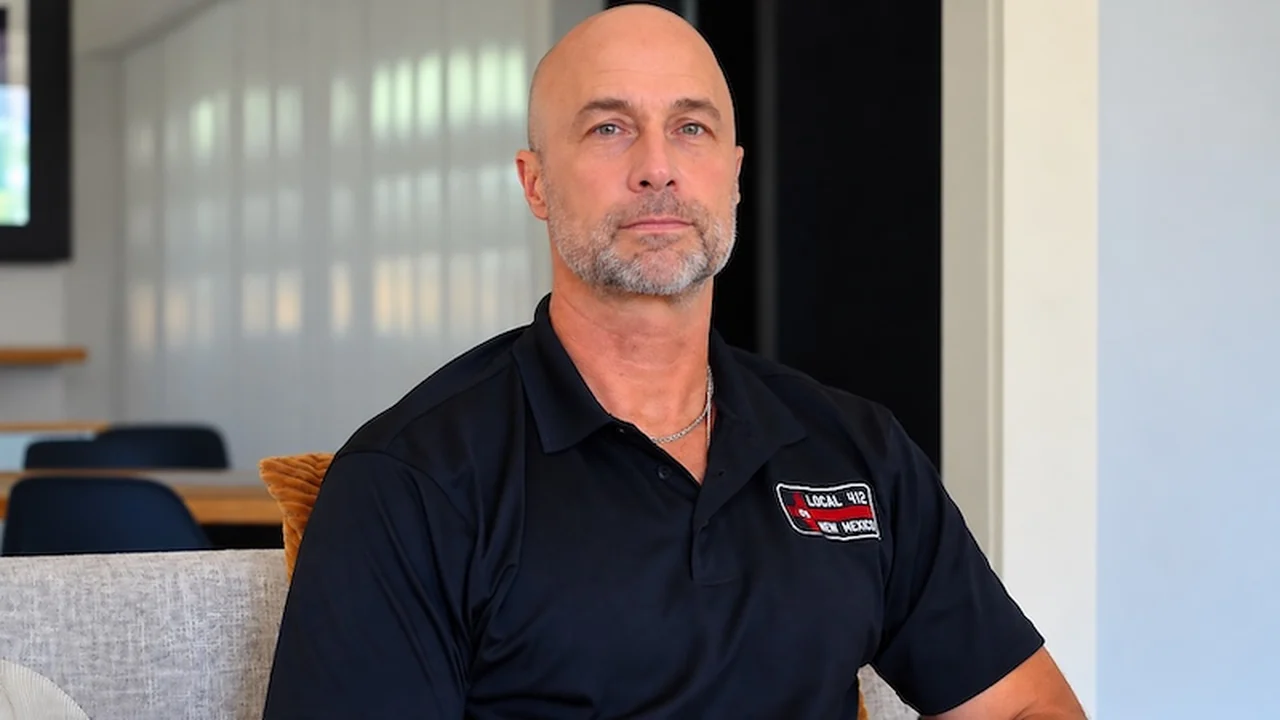
Bill is the author of Right My Dudes... Now What?
3. The Vulnerability Window: Relapse After Absence
Opioids and fentanyl remain major threats, but the highest risk of a fatal overdose often occurs after a period of sobriety.
When an officer returns from rehab, hospitalization, leave, or a period of quitting, their tolerance drops. If a major stressor hits and they attempt to use again to numb the pain, the result is frequently fatal. Chaplains and leaders must keep a close watch on individuals during these transition periods.
4. Decoding “Farm Stress” and Subtle Language
Men in high-stress, male-dominated environments rarely say, “I’m depressed” or “I’m in crisis.” Instead, they say they are “stressed” or “tired.”
McCamley references the agricultural community’s concept of “farm stress”: a rancher might admit to being worried about tariffs, fuel prices, or severe drought, but won’t label it as depression. Chaplains must learn to translate this language—when an officer says he’s just “tired of everything,” that is often his way of signaling deep emotional distress.
Watch the full interview above to hear Bill McCamley’s complete discussion on male mental health, workplace dynamics, and practical steps for supporting men in crisis.
If you or someone you know is in crisis: Call or text 988 for immediate, confidential support. In a life-threatening emergency, call 911.