
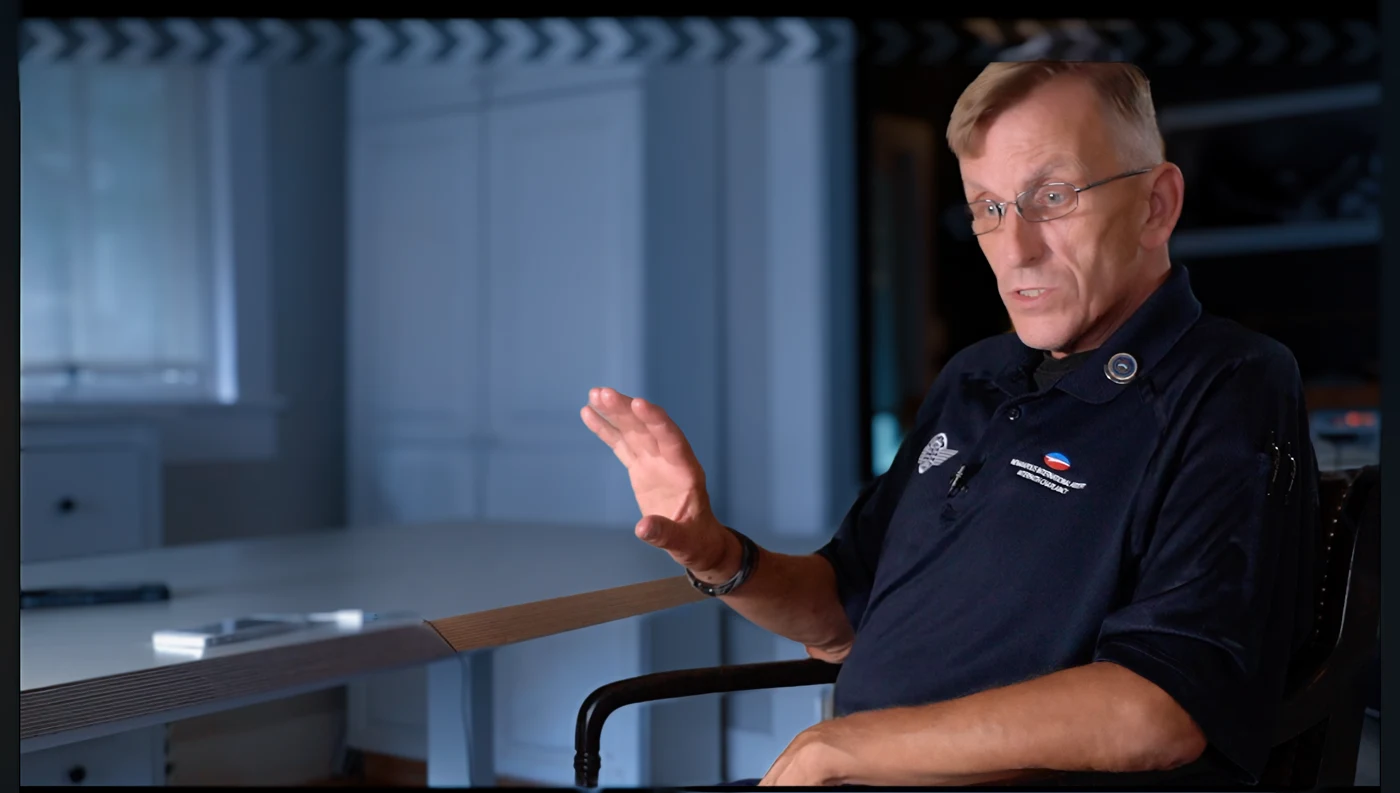
Chaplain Jeffrey Wolfe: The Ministry of Presence and Practical Preparation
Law enforcement chaplain and contributing writer
Jeff Wolfe is a working police chaplain whose written contributions to ChaplainUSA—most notably his cornerstone leadership in the Living Resource Guide program and his clear, careful guide to death notifications—turn hard-won field experience into practical, actionable tools for first-responder chaplains everywhere.
Sworn as a chaplain with the Indianapolis Metropolitan Police Department (IMPD) in 2015, Wolfe became IMPD's chaplain training coordinator in 2017. In that role, he designed and launched the department's first eleven-week Chaplain Academy, followed by a rigorous four-to-six-month field training program. He also serves as an airport chaplain with the Indianapolis International Airport Interfaith Chaplaincy Program and holds a commission as a Chaplain (1LT) in the Indiana Guard Reserve.
Fr. Jeff is an ordained priest and Franciscan friar in the Old Catholic tradition, serving as Vicar General and National Director of the OCCI Office of Chaplains, as well as co-pastor of St. John XXIII Catholic Church in Indianapolis. He has completed all twelve of the ICPC Basic Chaplain Credential courses, holds the Crisis and Trauma Specialist (CTS) certification, and serves as Director of the First Responder Chaplain Division within the Spiritual Care Association.
Building Relationships and Community Trust
Wolfe views chaplains as foundational community builders who must proactively establish connections long before a crisis occurs.
They're the peace brokers in the community. They're the ones that are out there on the slow days... stopping the storefronts and meeting, going to group meetings... And they build those relationships with community leaders, their community builders. They bring people together and doing that, they learn of the resources that are available that can be brought to bear when a law enforcement agency or a firefighter agency... has a need in a time of disaster.
For Wolfe, these connections cannot remain abstract or stored only on a generic departmental list; they must be personally cultivated and maintained by the chaplain.
An agency's resource list... is good. But then there's yours. And yours, you know, is up to date. You've talked with each of these people that you've written down resources. And that's important because when the chief asks you, 'Hey, chap, I need this and this and this, do you know who I can call?' 'Absolutely. How soon can they get here? Twenty four hours, chief.'
The Living Resource Guide and First-Responder Care
Understanding the unique culture of first responders is critical when vetting mental health and support resources. Through his primary work on the Living Resource Guide program on ChaplainUSA, Wolfe stresses that a chaplain’s duty is to ensure first responders receive effective, culturally competent care.
Case in point, you may have a list of ten social workers that the agency has approved for working with first responders. That doesn't tell me that social worker has experience understanding the first responder world... If I'm not sure that therapist or that social worker is going to make a connection with that first responder and that first responder feels comfortable, the chances of me getting that first responder into a second session just dropped. Suicide is still number one killer of law enforcement and firefighters, followed by line of duty death. We've got to start thinking outside the box.
To guarantee reliability during major infrastructure failures or rural deployments, Wolfe advocates maintaining physical, low-tech documentation over relying solely on digital devices.
A living resource binder is one step of thinking outside the box... Have it on a paper binder—low tech, pencil, mark it out... What happens if your battery dies? You need to still provide that information to the family or the officer. Having it written down, old school works. It's why the military still does paper along with computers... You have to be the human resource manager who can operate under any circumstances. No technology. No cell phone. No problem.
Active Listening and Unbroken Attention
Beyond administrative readiness, Wolfe’s philosophy centers on active listening and showing genuine respect during moments of profound grief.
Things have sped up and there's value in slowing down and stopping and having a conversation with someone because you can learn so much... How did you make that family feel when you left? That's the only thing they remember.
He cautions fellow chaplains against allowing modern technology to create distance between themselves and the people they serve.
You also don't want to be a person that's sitting in front of a family on your phone. That's disrespectful... It's not giving your full attention to the family... Handwriting something on a piece of paper and handing it to somebody, that's a living document. It's old school, but we know old school works.
Through his writing on the ministry of presence, evidence-based chaplaincy, and his foundational contributions to the Living Resource Guide, Fr. Jeff Wolfe helps fellow chaplains perform the hardest parts of first-responder ministry with greater skill, foresight, and care.