
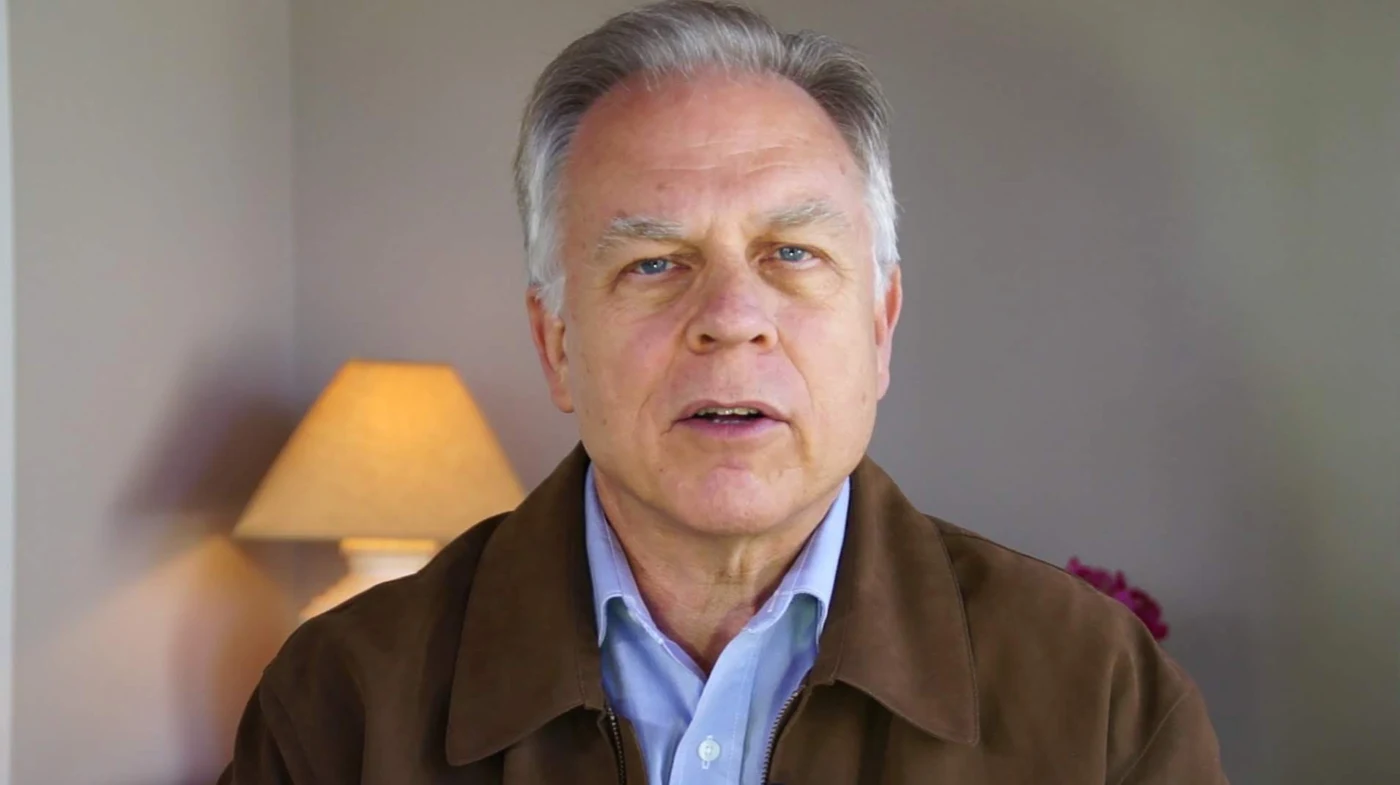
Chaplain Steve Rekedal
Eloquence, Executive Mastery, and the Courage of Ordinary Presence
“Of all the chaplains featured in the Police Chaplain Project, Steve remains deeply extraordinary to me. He possesses a rare, poetic command of language—a warmth and eloquence that never fails to touch the heart, no matter how many times I listen. His reflections on his brother, and the poignant path toward reconciliation and peace after his loss, stand as some of the most moving moments in our entire archive.”
— Phillip LeConte, Executive Director, Police Chaplain Project
Steve Rekedal brought a lifetime of executive decisions, complex global operations, and international corporate leadership to the precise place where no decision can undo what has happened. Before stepping into ministry, Rekedal studied at the University of Minnesota and forged a substantial international business career in life and health insurance across Latin America, Asia, and Europe—serving as a global consultant, executive vice president, chief marketing officer, and chief executive. The combination is rare and striking: a corporate executive accustomed to directing vast systems who, in the presence of acute grief, begins by stripping away everything except human presence.
An ordained, bilingual English–Spanish chaplain, Rekedal’s service has spanned prisons, hospitals, hospices, and independent congregations throughout the Austin area. Having served the U.S. Navy League in Panama during the 1980s and later serving as an elder and board member for churches across Virginia, California, and Texas, he and his wife, Mary Jo, have dedicated decades to walking alongside couples preparing for marriage, families in crisis, and spouses rebuilding after infidelity.
The First Ten Minutes: Silence, Touch, and the Rejection of Cliches
In his foundational Police Chaplain Project interview, The First Ten Minutes, Rekedal outlines the essential discipline required when entering a home in the immediate aftermath of a child's death:
The Ministry of Initial Silence: Beginning not with speeches or explanations, but with quiet, unhurried presence. Rekedal explicitly rejects empty consolations like "Your child is better off" or "God must have had a reason," noting that in the first minutes, such phrases deny both the magnitude of the loss and the anger that inevitably accompanies it.
The Human Touch First: Asking simply, "How are you doing?" and allowing parents the room to grieve without theological judgment. As Rekedal notes, while questions of faith and mortality eventually matter, immediately following tragedy, theological explanations must wait until grief has first been met by simple human touch.
Love as the Willingness to Risk: Drawing on C. S. Lewis, Rekedal describes love as a willingness to risk being hurt. He sees parents who have lost a child as people who took a profound, heroic risk for love: "C.S. Lewis would say that the ability to love is the ability to risk. And so a family that’s been bearing children and now lost one—they have tremendous risk that they put themselves in for a tremendous outpouring of love that comes with it."
“If I’m gonna console somebody who’s just lost a little one, the first consolation approach I’m going to use is silence. And then I will, at some point—and just by being there, they’re aware that’s something, and I’m there, that’s fine... And the next question—or the first question I would ask them—is, 'How are you doing?'”
— Chaplain Steve Rekedal, The First Ten Minutes
Preserving Heartfelt Wisdom in the Archive
Steve Rekedal’s contributions to the Police Chaplain Project stand as an enduring testament to the power of authentic presence. By pairing executive discipline with deep emotional eloquence, Rekedal teaches candidate chaplains and first responders that true solace begins not with answers, but with the quiet courage to stand beside those whose worlds have just broken apart.