
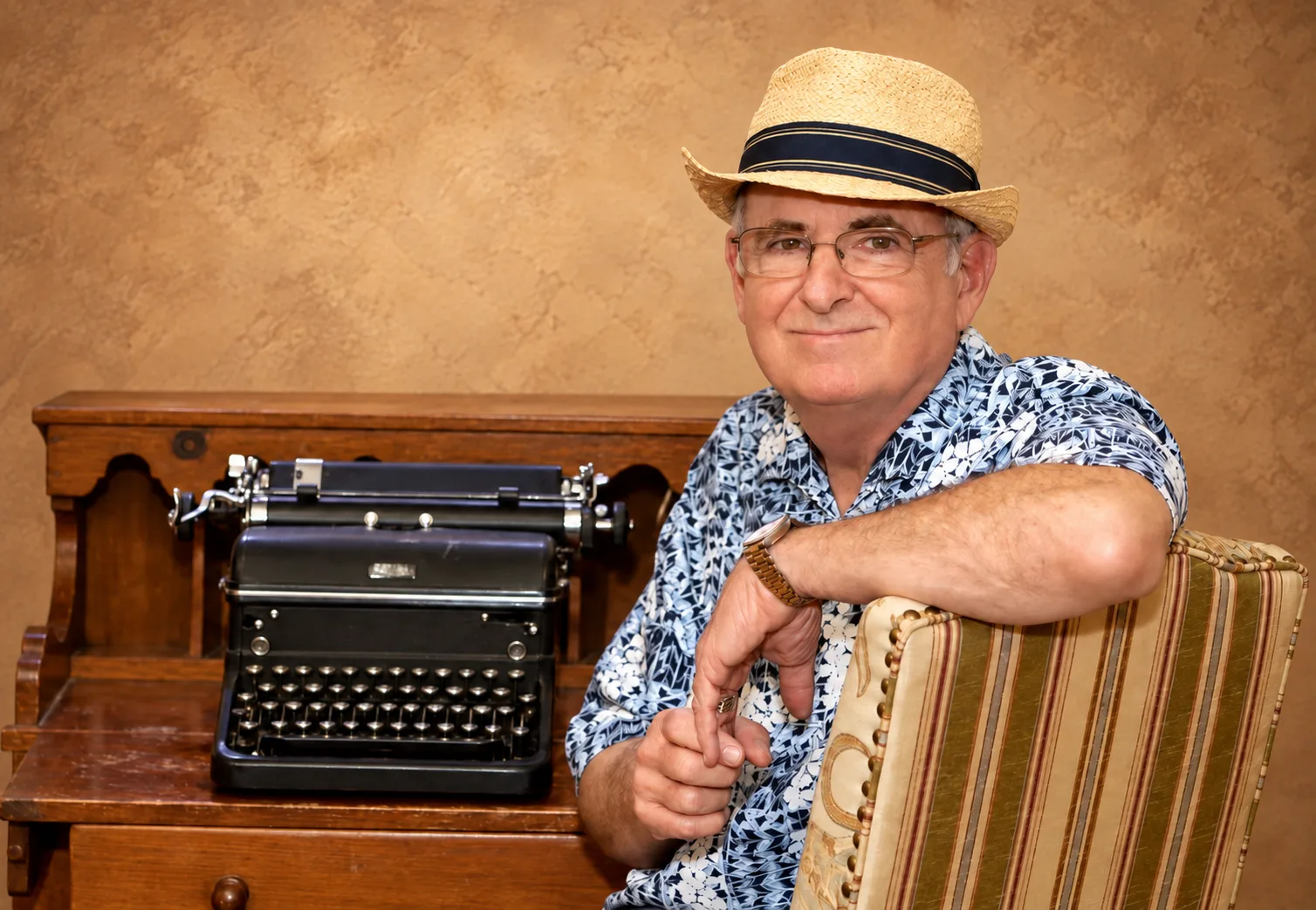
Bill Gralnick
Rabbi · Interfaith organizer · Author · Chaplaincy builder
Rabbi William A. “Bill” Gralnick was born and raised in Brooklyn. He earned bachelor’s and master’s degrees from George Washington University and later received an honorary doctorate from Florida Atlantic University. Across 33 years with the American Jewish Committee, culminating as Southeast regional director, he built relationships among religious and civic communities across the South. His 2006 retirement was recognized in the Congressional Record.
His first posting was in Atlanta, where the archbishop introduced him to bishops across six states. In Miami, another letter of introduction widened the work into Catholic–evangelical and Catholic–Jewish–evangelical dialogue; the archbishop appointed him to the welcoming committee for the Pope’s visit. Listening, Gralnick says, is where learning occurs. It became the skill that let him work across traditions that did not always trust one another.
“I’ve also always been a very good listener. Probably in part because my mother was a sincere believer that little picture should be seen and not heard. Right. When you listen, you learn a tremendous amount rather than when you’re talking, when you’re learning nothing.”
In a second career with the Palm Beach County Sheriff’s Office, Gralnick built a chaplaincy intended to reflect both the department and the county. It grew from three evangelical chaplains to 37 members. They included Catholic and Greek Orthodox priests, rabbis from Judaism’s three major denominations, evangelical pastors and an imam. He calls that broad representation his crowning achievement.
“And the first thing that I did was tell the sheriff, we’re going to have a chaplaincy that represents the faith experiences, not only of the police department, the sheriff’s department, but of the county. And long story short, I started—we had, I think, three chaplains, all of whom were evangelical—and I left, we had thirty-seven chaplains. We had Roman Catholic priests. We had a Greek Orthodox priest. We had rabbis from all three major denominations of Judaism. We had several evangelical pastors, so on and so forth. And my crowning achievement, so to speak, was finding an imam.”
His structured Christian–Jewish dialogue groups continued for nearly 30 years. He also brought Jewish teachers and students to Mass and Sunday school, and Catholic students to Shabbat services and synagogue classes. Years later, people still stopped him to say those encounters changed their lives.
Gralnick has also written hundreds of newspaper columns—some 800 by public accounts—and a trilogy of memoirs beginning with The War of the Itchy Balls and Other Tales from Brooklyn . The humor in those titles sits beside a career spent confronting the Holocaust, prejudice and the work of becoming a better human being.
In his Police Chaplain Project interview with Phillip LeConte, recorded August 6, 2020, Gralnick discusses Holocaust education after the eyewitness generation, the listening that makes interfaith dialogue possible, and the deliberate work of building a multifaith sheriff’s chaplaincy.
Gralnick’s life has been a long practice of widening the table: from Brooklyn to the American South, from Holocaust education to dialogue, from three chaplains of one tradition to thirty-seven representing many. The result is measured in the people who still stop him years later to say the encounter changed them.