

What a Credo Is
A credo is a statement of belief expressed as a commitment to conduct.
It gives words to the principles by which we intend to live. It reminds us what we value, what we will stand for, and what we refuse to become.
The word itself is old. The need for it is older.
People have always struggled to reconcile what they know to be right with what circumstances tempt them to do. We inherit the same human weaknesses that troubled those who came before us: pride, fear, resentment, selfishness, and the desire to choose what is easy over what is right.
We also inherit their capacity for courage, mercy, sacrifice, loyalty, and love.
The circumstances change. Human nature does not.
A credo helps us remember the better possibilities within ourselves.
For a parent, it might concern patience. For a teacher, fairness. For a leader, the obligation to tell the truth. For a husband or wife, the promises that must survive disappointment and fatigue.
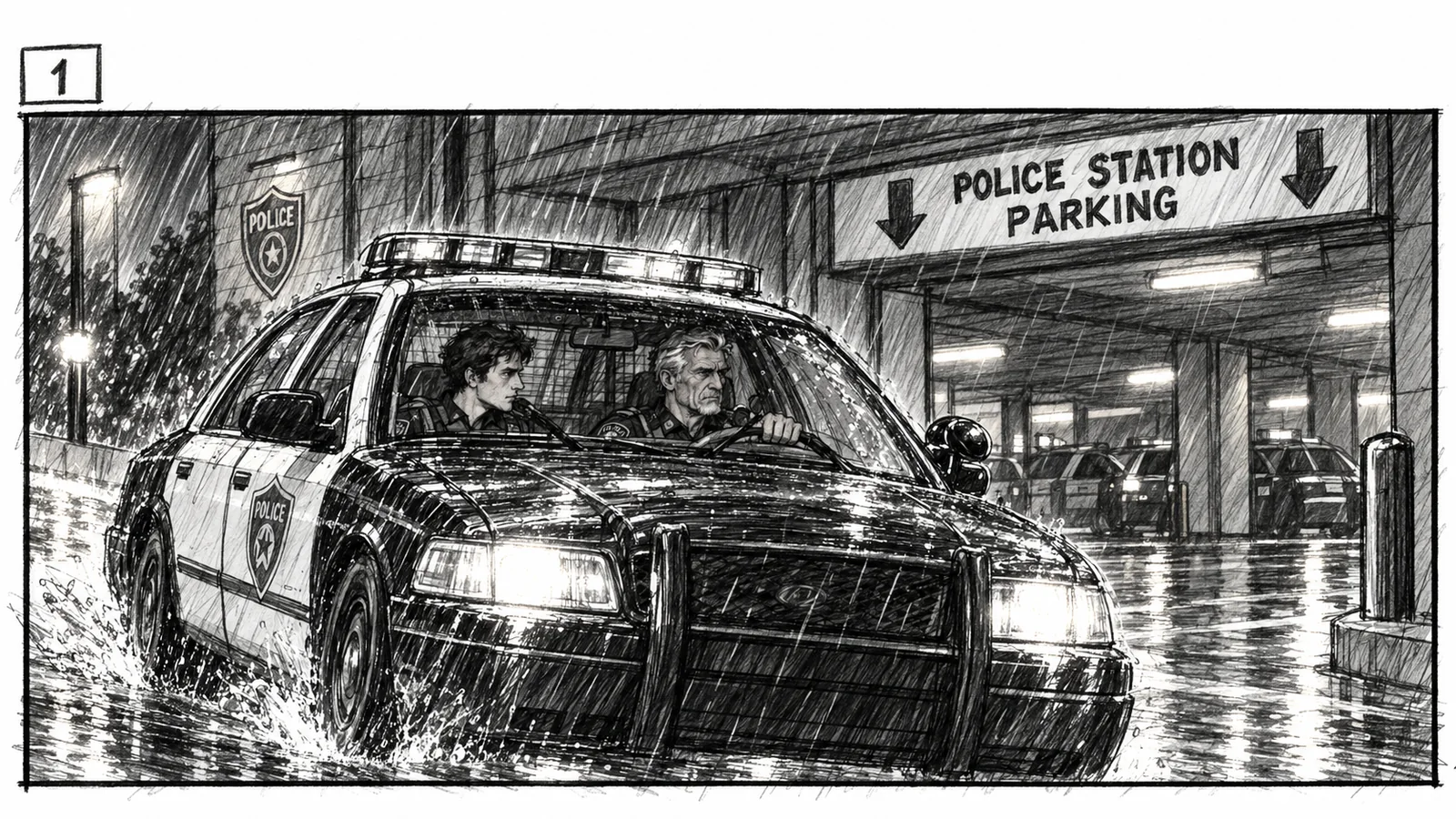
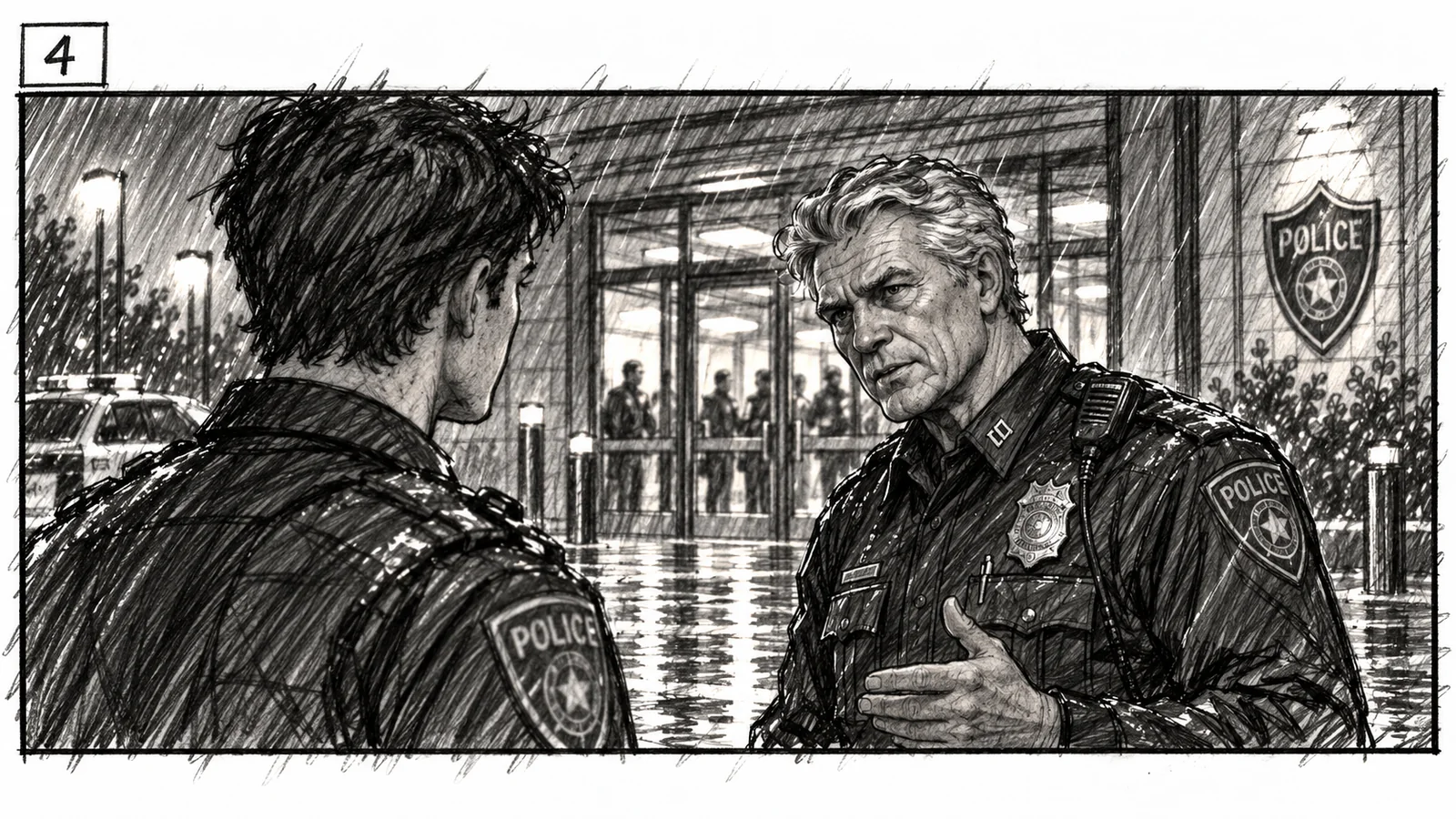
For a police officer, these commitments carry particular weight.
Police work places ordinary human judgment under extraordinary demands. Officers encounter people in fear, anger, grief, confusion, and desperation. They must make decisions quickly, often without complete information, sometimes with profound consequences.
Some decisions are dramatic. Most are ordinary.
How do I speak to this person? Have I listened before reaching a conclusion? What does restraint require? What does courage require? Am I seeing the person before me, or merely the problem I have been called to resolve?
Am I acting from principle and judgment, or from anger, fatigue, pride, or fear?
These are questions of character.
Law and policy establish the boundaries of authority. Training and experience teach officers how to exercise it. Personal character influences what happens within those boundaries.
A credo helps an officer cultivate that character.